

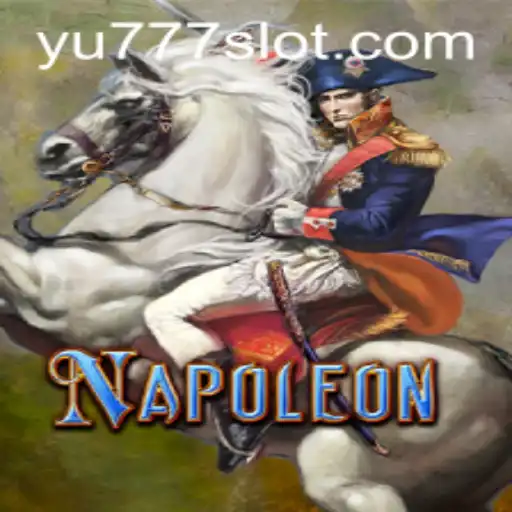
Dive into the captivating world of Napoleon, a strategic card game that combines historical intrigue with modern gaming elements.
Napoleon: A Timeless Card Game with Historical Roots and Modern Appeal
The card game Napoleon, steeped in rich history and brimming with strategic play, presents a compelling blend of tradition and modern gaming excitement. Often associated with the tactical genius of the French military leader, this game captivates players who appreciate depth and strategic cunning. From casual game nights to serious tournaments, Napoleon continues to hold its place as a beloved classic.
The Origins and Historical Context
With roots tracing back to 19th-century Europe, Napoleon emerged during a period marked by upheaval and change. The game reflects the strategic prowess synonymous with its namesake, Napoleon Bonaparte. Initially popular among the military ranks, it spread across Britain and evolved into a cherished pastime for card game enthusiasts around the world.
In today's global landscape, where digital transformations shape various industries, traditional games like Napoleon provide a grounding connection to history. Understanding its origins adds depth to gameplay, inviting players to step into the shoes of military tacticians planning bold maneuvers and considering intricate strategies.
Game Structures and Rules
At its core, Napoleon is a trick-taking game that demands both skill and foresight. Typically played with 3 to 7 players, it utilizes a standard 52-card deck. Each game consists of a series of hands, where players vie to secure the highest number of tricks. The balance of risk and reward underpins every decision, reflecting the tactical considerations of a general on the battlefield.
Setup
Before the game begins, players elect a dealer who shuffles the deck and distributes five cards to each player. The player seated to the left of the dealer initiates the bidding process, which is crucial for determining the gameplay dynamics. This phase sets the stage for the subsequent tactical engagements.
Bidding
During the bidding round, players declare the number of tricks they hope to win, ranging from a minimum of three to a maximum of all five available. The player declaring the highest bid becomes the 'Napoleon' for that round. This pivotal role allows the Napoleon to dictate the pace and strategy, highlighting the game's emphasis on leadership and strategic planning.
Gameplay
Once the bidding concludes, the Napoleon chooses a partner by calling a card (the highest bidder's card becomes the trump). This dynamic fosters an element of suspense, as opponents are left guessing the identities of the collaborating duo. The Napoleon and their partner aim to fulfill their trick-taking promise against the rest of the players, termed the 'Allies'. A successful bid results in points for the Napoleon and their partner, whereas failure to meet the bid grants points to the Allies.
Strategies and Modern Adaptations
Players of Napoleon cultivate myriad strategies, adapting them to the evolving context of each hand. Mastery involves not just understanding the rules but also predicting opponents' moves and potential alliances. This layer of psychological insight appeals to players who relish complex and strategic challenges.
Contemporary versions and adaptations of Napoleon, including digital formats and online multiplayer platforms, have injected new life into the game. By integrating technology, developers have expanded Napoleon's reach, connecting enthusiasts from various backgrounds and cultures. In an era where global connectivity shapes the gaming experience, Napoleon serves as a testament to the timeless appeal of classic card games.
Current Global Trends and Competitive Scenes
In 2023, the resurgence of interest in traditional card games has been noticeable in major global markets. Napoleon, with its engaging blend of history and strategy, finds itself uniquely positioned within this trend. As players seek alternatives to digital distractions, games like Napoleon offer a tactile, community-driven experience.
Tournaments and competitive leagues continue to spotlight Napoleon across Europe and beyond, showcasing it as a sophisticated and challenging pastime. The intersection of historical intrigue and skill-based gameplay draws diverse participants, from seasoned strategists to newcomers eager to learn the ropes.
With the world increasingly appreciating the value of unplugged entertainment, Napoleon exemplifies the enduring allure of strategic card games, offering both nostalgic echo and modern relevance. Whether played in intimate home gatherings or large-scale competitions, it remains a beacon of strategy, skill, and camaraderie, bridging the past with present-day gaming cultures.



0 Comments